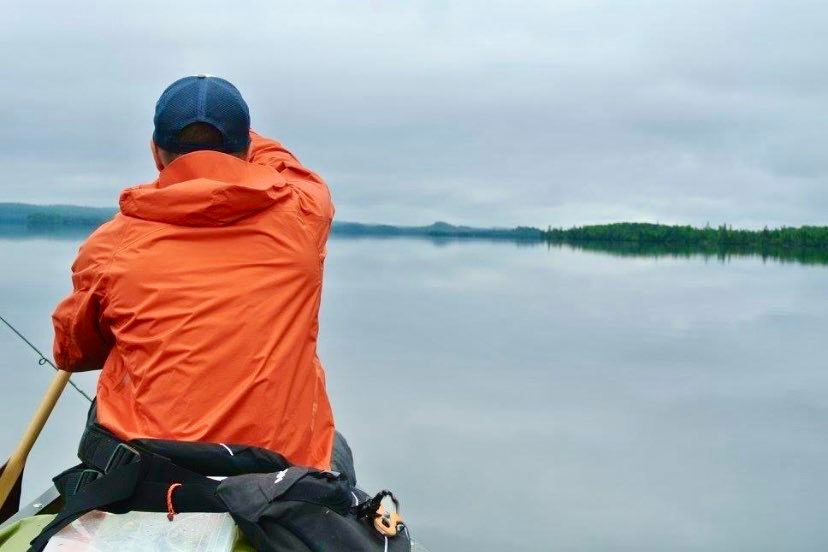
The BWCAW….Boundary Waters Canoe Area Wilderness-the last W added more recently, as a result I often refer to it as the BWCA.
An incredibly beautiful and remote wilderness area within our home state-and we take advantage accordingly. It is a very special place to us, that we want to keep very special for years to come. I’ve grappled a bit with writing a post, wanting to keep the BWCA a secret. But I know it is meant to be shared-and if my posts help people travel responsibly then I’ll be happy.
Over the next few weeks we’ll be posting a series of trip planning posts, broken down into sections for easy reading and referencing. Keep in mind-I won’t be touching on guided trips. There are several outfitters in Northern Minnesota where you can outfit yourself for partial, (renting a canoe and a few large items) full and even fully guided trips. Depending on the route you go-they do a lot of the planning, even down to the permits. My tips are for DIY trip planners. If you are new to backcountry travel, or canoe camping-consider using an outfitter or guide. Ensuring that the wilderness stays a wilderness, means ensuring safe travel for users (not costly and damaging rescues) and that visitors are respectful and careful of the resources. More on that to come.
Part I: Permits
Permits for the BWCA aren’t difficult to understand and they are incredibly important. Year round permits are required. For day use, they are free and self-register at the entry point. Overnight permits are required, free and are self-register outside of the quota schedule; from October 1 to April 30th. So if you want to do a winter or shoulder season trip, you can have your pick of days. The rules still apply per permit though…
9 People maximum
4 Boats maximum
You must enter and exit through a designated entry point
From May 1 to September 30th, you must get a permit through the quota system. Each entry point (~59 overnight paddle entry points) allows a certain number of permits per day. Depending on the area, the size of the lake, the number of campsites etc that number varies from 1 to on average about 12 or so….some that also have lakes with motor access allow for more. Recreation.gov makes it very easy to navigate how many permits are available where. These permits are released and available in the spring each year. Best part? They are pretty affordable.
So which permit do you choose?
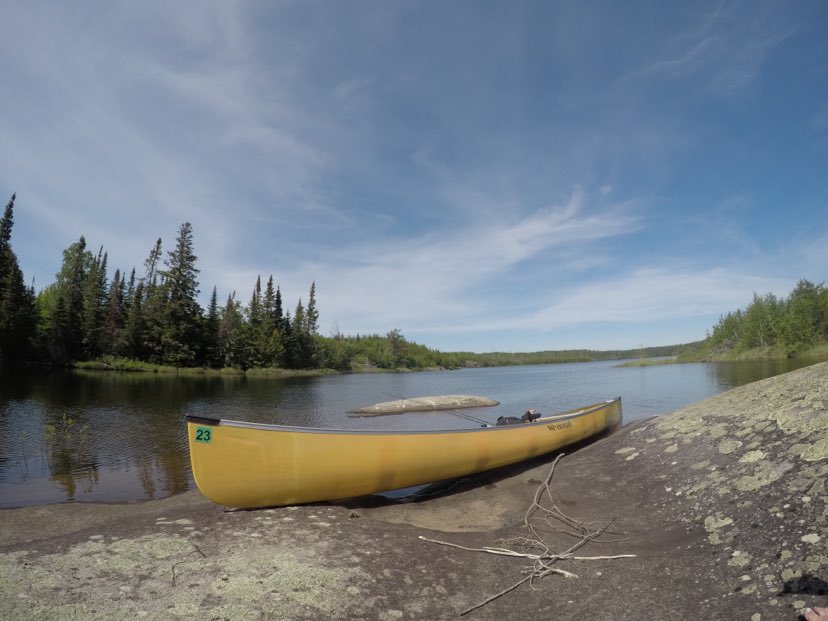
Permits are broken down into 4 ‘districts’ or general locations. I like to generalize this more to Ely or….Duluth. While the BWCA is much further north than Duluth, Minnesota-if you are planning to go in from Ely, you won’t drive through Duluth. But if you go in from the Gunflint or Tofte- you can overnight in Duluth to break up the drive. Each area also has a little different feel. The Ely side seems (in my experience) to have larger lakes with flatter portages. While the Gunflint area seems to have more cliffs, rocks and rugged portages.
We like to do a few things when picking an entry point.
- Decide first what type of trip we’d like to have. Do we want to move or basecamp? If we want to do more fishing, we’ll park it in one campsite (basecamp) for the trip, and do day pushes to maximize our fishing and relax time. This way we might pack a little heavier-bring the extra cookies and all the fishing gear and plan to slay! If we want to challenge ourselves and see more of an area, we’ll plan to move daily or every other day in a loop if we can. We’ll usually pack lighter, skip fishing gear or pack less, and look for an area that has smaller lakes linked together for good travel.
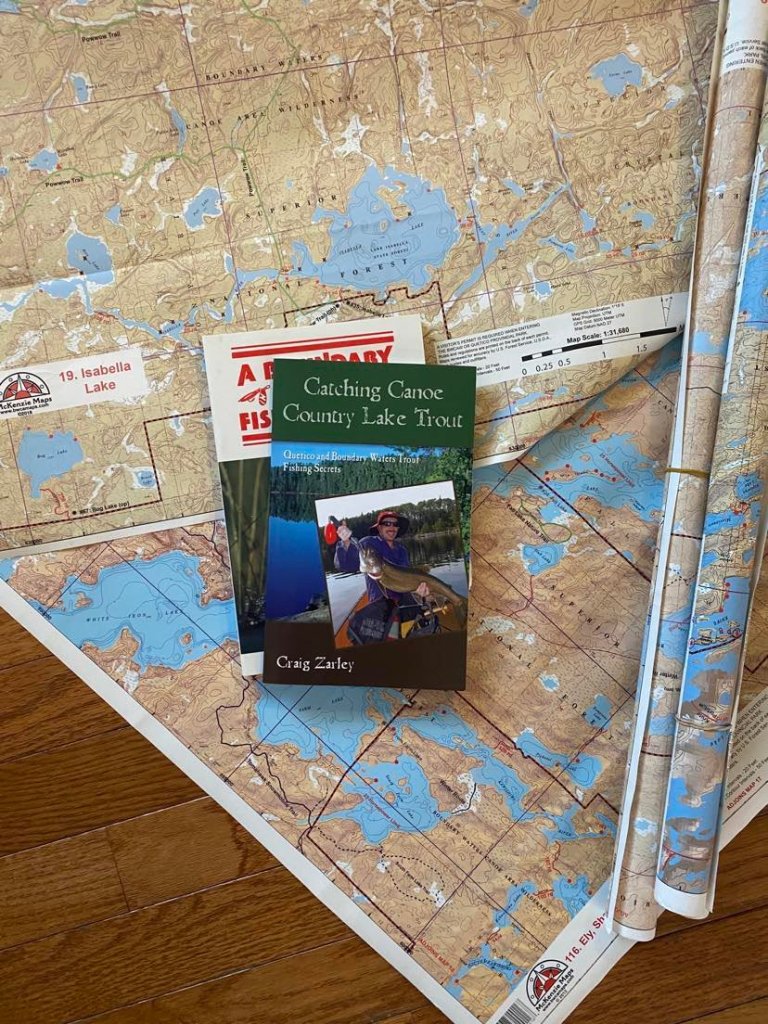
- Often times we’ll head to REI-there are 3 near us-where they have several maps and a table to look at them on. We’ll look for sections that have many lakes strung together for travel, or deeper lakes (or ones we researched for specific fish) with features and many campsites if we want to basecamp.
- I like to have a few back up locations if our first choice is unavailable.
- Leave a travel day when possible. The day of your permit is the day you must enter the wilderness. If you need to travel 5 hours to get to northern Minnesota, going in the same day can put you a little late hunting for a campsite-keeping in mind sites are not reservable. When possible, we will choose an entry day that gives us a day to travel, sleep, and then wake up early to enter the wilderness. This way we are fresh for paddling and portaging for a few hours before having to find a campsite-set up-make dinner etc.
If we plan to fish, Brandon often has something specific he wants to fish for; Lake Trout, Walleye…..and we’ll research areas known for a specific species and target those areas.
When you reserve your permits-you’ll also select a location for pick up. You can choose from several Forest Service locations as well as outfitters or a few retail locations. Either way, you’ll have to take a little ‘quiz’ and watch the video about ‘Leave No Trace’ and BWCA specifics before heading off.
Aside from permits being the first step you really need to take in your trip planing-no permit, no trip…this will help you plan and prepare for your entire experience. Are all your group members capable of the portages in the area? Do you want to pack light enough to single portage? (take just one trip with all your gear…..yes, you do!) Do you have enough days to have some layover or contingency days if you are tired or if weather is bad? Your location will determine a lot of questions as you move forward!
That’s all for Part I! Follow the blog for Part II, and head over to Instagram to follow along there for more tips!
Comment below if you found this post helpful! As always, thanks for reading-get out and enjoy some Days Off!
 daysoffadventureblog